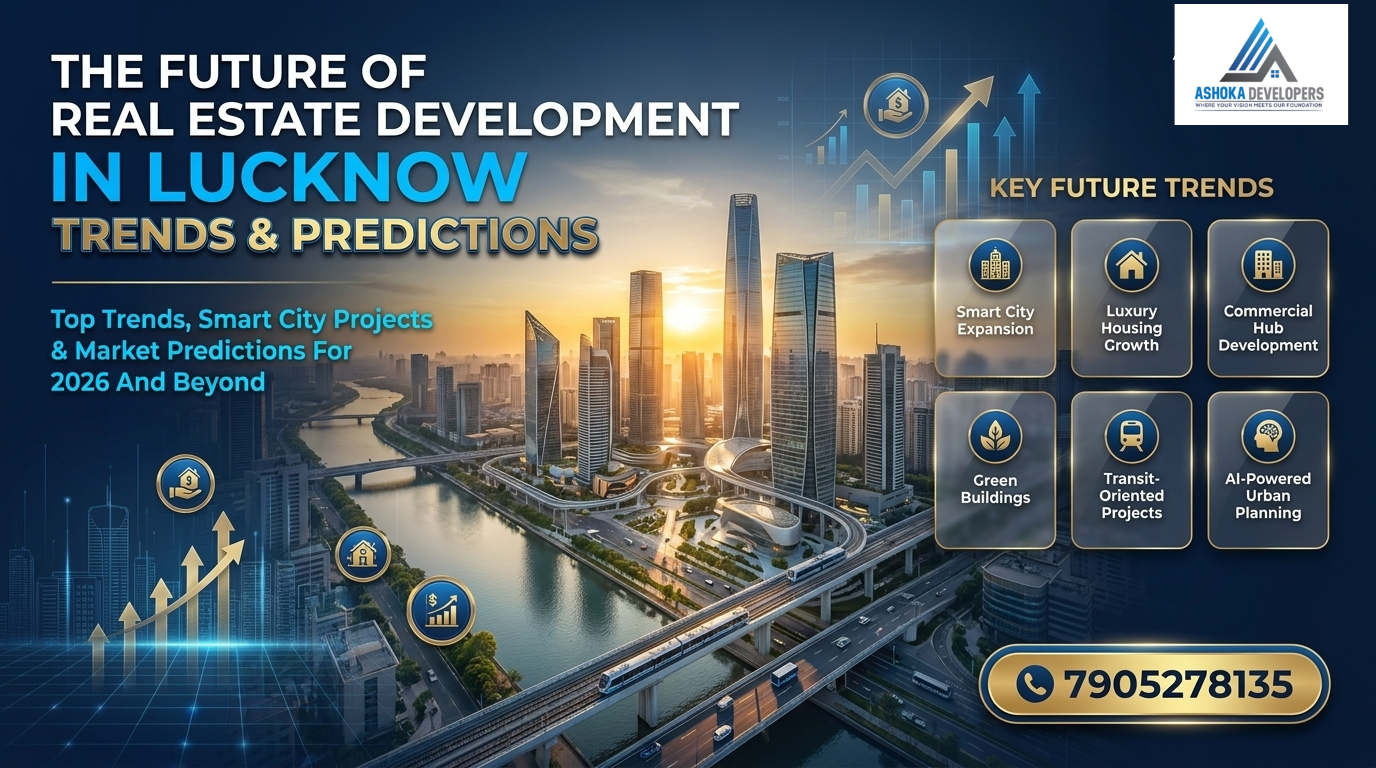
Infrastructure and real estate have an inseparable relationship. In every Indian city that has seen meaningful property appreciation over the past two decades, a common thread runs through the story: a significant infrastructure upgrade preceded or accompanied the price rise. Lucknow in 2026 is at an interesting point in this cycle.
The Infrastructure Investments Changing Lucknow's Geography
Lucknow has received substantial infrastructure investment over the past five years. The metro network, while smaller than Delhi's, has reshaped commute patterns and made previously remote localities accessible. The Outer Ring Road has effectively expanded the city's functional footprint, bringing areas that were once 45-60 minutes from the center to within 20-25 minutes.
State highway improvements connecting Lucknow to districts like Barabanki, Unnao, and Sitapur have had secondary effects on the city's fringe localities — improving access to daily-use destinations and making peripheral residential areas more viable for working families.
What This Means for 3 BHK Buyers in Developing Localities
In real estate terms, infrastructure investment is a leading indicator of price appreciation. When connectivity improves, commute times drop, and the effective 'cost' of living in a peripheral locality decreases. This shift in perceived value gradually translates into rising land prices.
For buyers considering a 3 BHK house in Lucknow's developing corridors, the strategic implication is straightforward: buying before infrastructure improvements are fully priced into the market is more advantageous than buying after. Faizullaganj is in this pre-pricing phase.
Faizullaganj's Connectivity Profile
Faizullaganj benefits from improving road connectivity to central Lucknow and key employment zones. Access to daily-use facilities — schools, clinics, markets, bank branches — has improved steadily. The locality is accessible by both private vehicles and public transport, reducing the commute burden that sometimes deters buyers from considering outer-ring areas.
The cumulative effect of these improvements has been rising residential interest from buyers who were previously focused exclusively on more established addresses. This rising demand supports the case for 3 BHK property investment in the locality.
Smart City Initiatives: The Longer-Term Dividend
Lucknow's Smart City Mission activities include investments in drainage, LED street lighting, digital governance interfaces, and public space improvements. While these are not the primary driver of property values, they contribute to the liveability premium that distinguishes growing cities from stagnant ones.
For a buyer purchasing a 3 BHK house for sale in Lucknow in 2026 with a 10-15 year holding horizon, the cumulative effect of these quality-of-life improvements on property values is a meaningful tailwind.
Infrastructure Risk: What to Monitor
Infrastructure-led investment theses carry execution risk. Delays in metro extensions, deferred road projects, or slower-than-expected commercial development in target zones can delay anticipated appreciation. Buyers should assess not just announced projects but the status of those already under execution.
Localities where on-ground infrastructure improvements are visible — not just announced — carry lower execution risk and are therefore more appropriate for buyers with shorter holding horizons.
Lucknow's infrastructure growth is real and ongoing. Its effects on residential property values in developing localities are measurable and, based on comparable city experiences, likely to continue. For buyers of 3 BHK homes in localities like Faizullaganj, this infrastructure backdrop is a genuine investment tailwind rather than a speculative narrative.